April 9, 2026
The thought of expanding living space can be thrilling yet daunting. Below, we provide a comprehensive guide to planning home additions in a stress-free manner. The right approach not only facilitates the construction project but also ensures peace of mind throughout the journey.
1. Assess Your Needs and Goals
When considering professional home additions, the first step involves understanding why you need to expand. Ask yourself whether the purpose is to increase space for a growing family, to create a personal retreat, or to accommodate an elderly parent. Having a clear objective is essential for steering the project in the right direction. Often, a well-defined purpose will inform both the design and functionality of the addition. Documenting your goals ensures that every decision made during the process aligns with your original intentions.
Evaluating both long-term and short-term needs is crucial. While you may currently desire an additional bedroom, consider if that will still suit you in a decade. Changes in family dynamics or career paths might necessitate different spatial requirements. Incorporating flexibility into your plan can make the addition adaptable to future lifestyle changes. Concurrently, addressing immediate demands, such as creating a home office, should not be overlooked.
It's beneficial to think about lifestyle changes and potential future needs that could influence the design of your new space. For instance, aging in place might require considerations for accessibility. Families expanding through marriage or children may need extra rooms that can later serve different purposes. According to NAR's 2025 Remodeling Impact Report, Americans spent an estimated $603 billion in 2024 on remodeling their homes, which emphasizes the importance of investing wisely in spaces that advance with your life. Documenting your vision ensures that the addition seamlessly integrates with both your current and future living scenarios.
2. Research and Gather Inspiration
Diving into the world of design ideas for home additions can be exhilarating. Starting your research by exploring current design trends and ideas is fundamental. This involves understanding which styles and functionalities are trending and why they are popular. Visiting showrooms and model homes offers a tangible sense of potential design elements. This phase should be as comprehensive as possible, ensuring that you gather a broad spectrum of styles to consider.
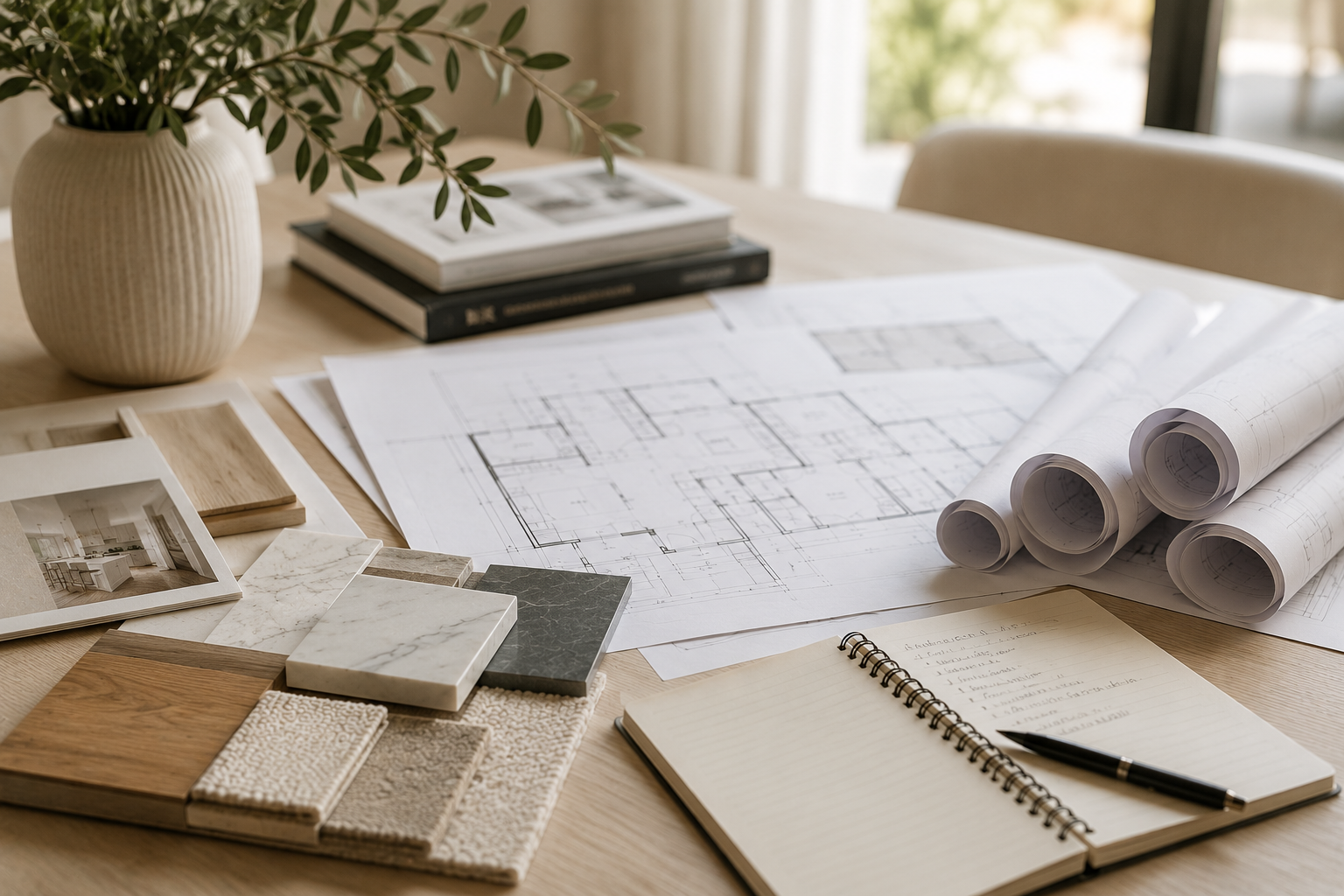
Analyzing online resources and perusing leading design magazines offers a wide array of possibilities. Creating a vision board by collating these ideas is an effective method for refining your own tastes and preferences. This visual aid can become a pivotal tool when communicating your vision to designers or contractors.
Identifying both functional and aesthetic preferences is key to a successful design. The practical functionality, such as how the space will be used daily, is just as crucial as its beauty. It’s important to pinpoint what matters most to you, whether it’s a sunlit atrium or a privacy-secluded wing. The balance between these elements will guide not only design but also budgetary decisions. Ultimately, this step lays the foundation for a space that is not only alluring but also immensely practical.
3. Set a Realistic Budget
Setting a realistic budget for home additions requires a clear understanding of your financial capacity. Assess your current financial situation, including savings, income, and potential loans, to determine how much can be feasibly spent on the project. Researching typical costs for similar projects can provide a baseline for your budget. This step is critical to avoid any financial surprises or setbacks down the road, ensuring a smooth progression.
Including a contingency fund prepares you for unforeseen expenses, which are common in home additions. Allocate a percentage of your budget to cover unexpected costs such as structural issues or changes in material prices. This financial cushion can alleviate stress and maintain the flow of the project even when facing unforeseen hurdles. It's also wise to compare financial options and loans, evaluating what terms and rates best suit your situation. Proper financial planning ultimately aids in prioritizing features based on your budget, ensuring the most important elements are addressed first.
Throughout this process, it's essential to keep realistic expectations concerning both cost and design features. While it may be tempting to aim for high-end materials or elaborate design elements, they must align with your financial plan. Understanding where you can compromise, or stretch, is crucial to staying on budget without sacrificing quality. The goal is to ensure that each dollar spent contributes significantly to the overall value and satisfaction of home additions.
4. Develop a Practical Timeline
Developing a practical timeline for your project begins with estimating the duration of each construction phase. Considerations such as design planning, permit acquisition, and actual construction time are central to formulating a feasible schedule. Seasonal factors affecting construction should also be taken into account. Building during the less rainy seasons or before extreme temperatures can often save time and cost. In parallel, coordinating with contractors' availability ensures that your timeline is achievable and respects their work schedules.
Planning for possible delays is part of a wise, reality-based approach to construction. Supply chain issues, weather conditions, and changes in scope often contribute to delays, no matter how meticulously organized the schedule may be. Including buffer times for each stage helps mitigate these disruptions. Emphasizing open communication with your builders can lead to early identification of potential delays. This proactive stance ensures adjustments can be made swiftly, keeping stress levels lower throughout the project.
Monitoring progress regularly and ensuring milestones are met keeps the project on track. Establishing regular check-ins with contractors or project managers creates a structured format for updates and addresses issues early. Despite the complexity of managing a construction timeline, maintaining a clear perspective on objectives helps keep focus during any disruptions. A successfully managed timeline is as important as a financially sound budget in guaranteeing a stress-free addition. Each major decision in life, like remodeling, becomes more manageable with a structured timeline closely monitored for effectiveness.
5. Choose the Right Professionals
Choosing the right professionals is arguably the most crucial decision when it comes to home additions. Begin by researching potential architects and designers who fit your stylistic and functional preferences. Evaluate contractor credentials and experience. Gauge their understanding of your vision and gather detailed quotes for project costs. Prior to making a final decision, check references and review examples of past work to ensure their ability aligns with your expectations.
During the selection process, clear communication and setting expectations with your contractor is vital. Detailed discussions about project timelines, budgets, and potential challenges help align all parties involved. Establishing a communication protocol allows for smooth navigation during construction phases—be it through weekly updates, regular site visits, or real-time digital tracking tools. One of the most common pitfalls is miscommunication, which can lead to mistrust or misaligned goals. Prioritizing transparency ensures everyone has a shared vision and clear understanding of all project demands.
Strive to build a collaborative, trusting relationship early on with your chosen professionals. This relationship is not only about ensuring a high-quality outcome but also about enjoying the process along the way. A mutually respectful partnership can help navigate challenges when they arise and make problem-solving less stressful. When stress is minimized by effectively managing professional dynamics, it can transform the entire home addition experience into one of excitement and satisfaction.
Planning for home additions can be complex, but with organized steps and professional guidance, you can achieve a seamless process. With careful planning and execution, the dream of an expanded home becomes an achievable reality. Get in touch with our team at B&G Construction LLC today!